
Free shipping across Canada over $119
Back to catalog
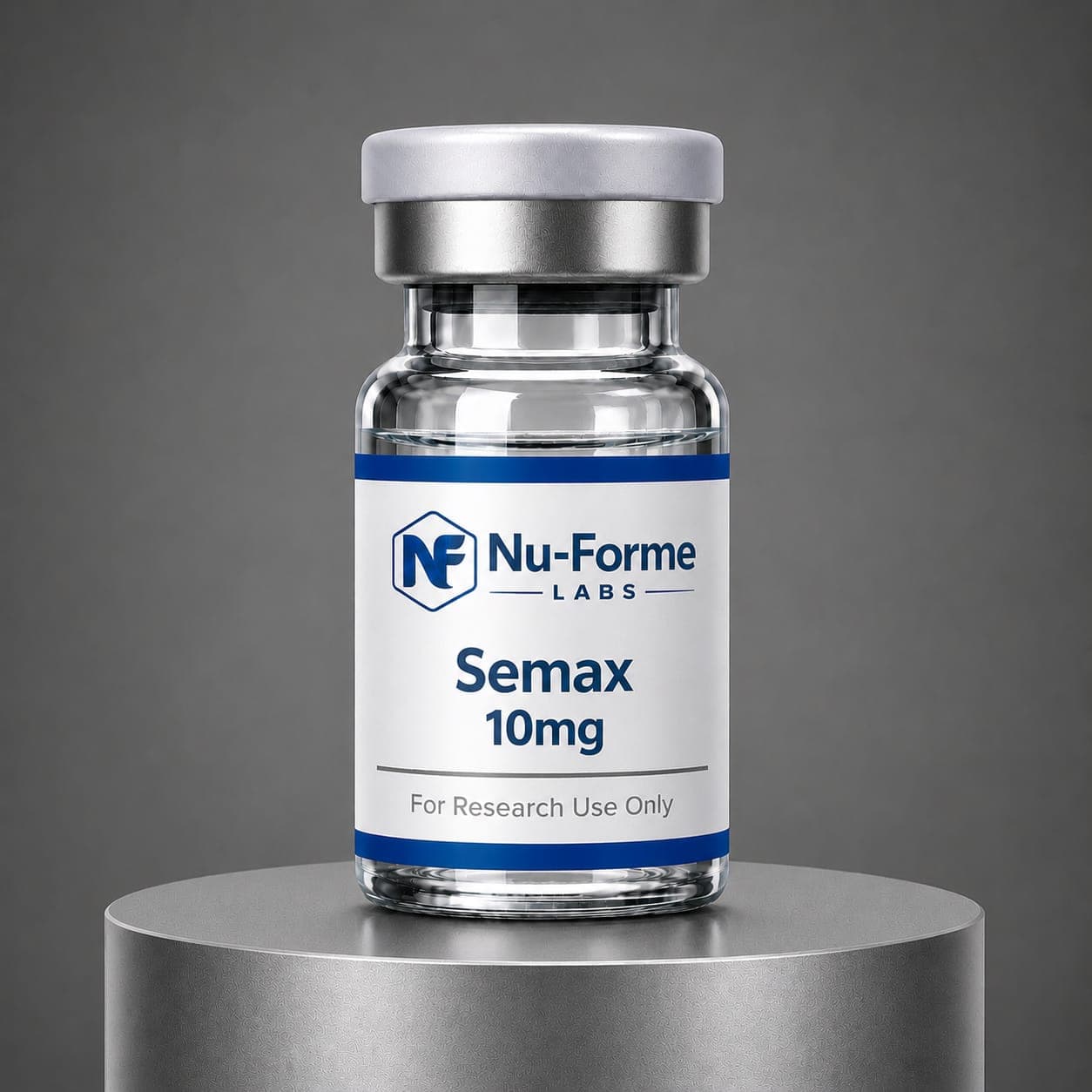
Na Semax
Peptides

Na Semax

In stock

N-Acetyl Semax (NA-Semax) is a modified version of Semax, a synthetic peptide originally developed in Russia based on a fragment of ACTH (adrenocorticotropic hormone). Key points: What it is: Semax with an added acetyl group (N-acetylation), intended to improve stability and extend its duration of action compared to regular Semax Main interest: Studied primarily as a nootropic/cognitive enhancer and neuroprotective agent Proposed mechanism: Influences BDNF (brain-derived neurotrophic factor) and dopamine/serotonin systems; may support neuroplasticity and neuronal survival Popular uses: Explored in research for cognitive enhancement, memory, focus, stroke recovery, and neuroprotection Regulatory status: Approved as a prescription drug in Russia and some CIS countries (brand name Semax) for stroke and cognitive disorders Research status: More human data exists than for many peptides (due to Russian clinical use), NA-Semax specifically has even less independent research than standard Semax

Select Variant

Selected price

$70.00

In stock
Quantity
1

Add $150.00 for free Canadian shipping.

Ships across Canada
1–2 day handling
E-transfer secure
No card data stored
Adult signature
19+ on delivery
DetailsReviews (0)Shipping & returnsQuestions
Description

What NA-Semax Is NA-Semax is a chemically modified version of Semax, itself a synthetic peptide developed in the Soviet Union/Russia in the 1980s. Semax is derived from a fragment of ACTH(4-10) — a small piece of adrenocorticotropic hormone — with additional amino acids (Pro-Gly-Pro) attached to protect it from rapid enzymatic breakdown. NA-Semax adds an acetyl group to the N-terminus of the Semax molecule. This modification is intended to: Increase resistance to enzymatic degradation Potentially extend the peptide's duration of action in the body Possibly alter its potency or receptor interaction compared to standard Semax It's marketed as an "improved" or longer-lasting version of the original, though independent verification of these claims is limited. Proposed Mechanism of Action Semax (and by extension, NA-Semax) doesn't act like the hormone it's derived from (ACTH) in terms of adrenal stimulation. Instead, research points to effects on the central nervous system, including: Increasing BDNF (brain-derived neurotrophic factor) expression, which supports neuron growth, survival, and synaptic plasticity Modulating dopamine and serotonin systems, potentially affecting mood, focus, and motivation Influencing NGF (nerve growth factor) pathways Antioxidant and anti-inflammatory effects in neural tissue Possible effects on cerebral blood flow Areas of Research Interest Area What's Being Studied Cognitive enhancement Most popular use — attention, memory, learning studied in Russian research and animal models Stroke recovery One of Semax's most established clinical uses in Russia — used post-ischemic stroke to support recovery ADHD-like symptoms Some Russian clinical use for attention disorders in children Neuroprotection Explored for protecting neurons during oxidative stress or injury Optic nerve conditions Some Russian clinical use for optic nerve atrophy Mood/anxiety Anecdotal and some preclinical interest, not well established Current Evidence Base Standard Semax: Has a meaningful body of Russian clinical research and use, including some human trials, primarily for stroke recovery and cognitive/attention disorders. It has decades of documented use within Russian medicine. NA-Semax specifically: Has substantially less independent research than standard Semax. Most claims about its enhanced potency or duration come from anecdotal user reports and manufacturer marketing rather than peer-reviewed comparative studies. Western clinical trials: Essentially nonexistent for either version — most rigorous data comes from Russian-language studies that haven't been widely replicated or validated by Western regulatory bodies (FDA, EMA)

Customer Reviews

No reviews yet. Be the first.

Review this product

Share your thoughts with other customers.

No reviews yet — yours could be first.

Product questions

Are product prices and variants current?

Yes. Product pages, cart, and checkout use the current catalog data for active variants, availability, prices, and totals.

How does shipping work for this item?

Canadian orders ship free when the merchandise subtotal is at least $150 CAD. Orders below that threshold use a flat $25.00 CAD shipping charge.

When is my order confirmed?

Checkout creates a pending order. The order is confirmed only after the e-transfer is reviewed and marked paid by an admin.

Can I change my order after checkout?

Contact Nu-Forme Labs as soon as possible. Orders should be reviewed carefully before checkout because fulfillment starts after payment is confirmed.

More products

Pairs well with

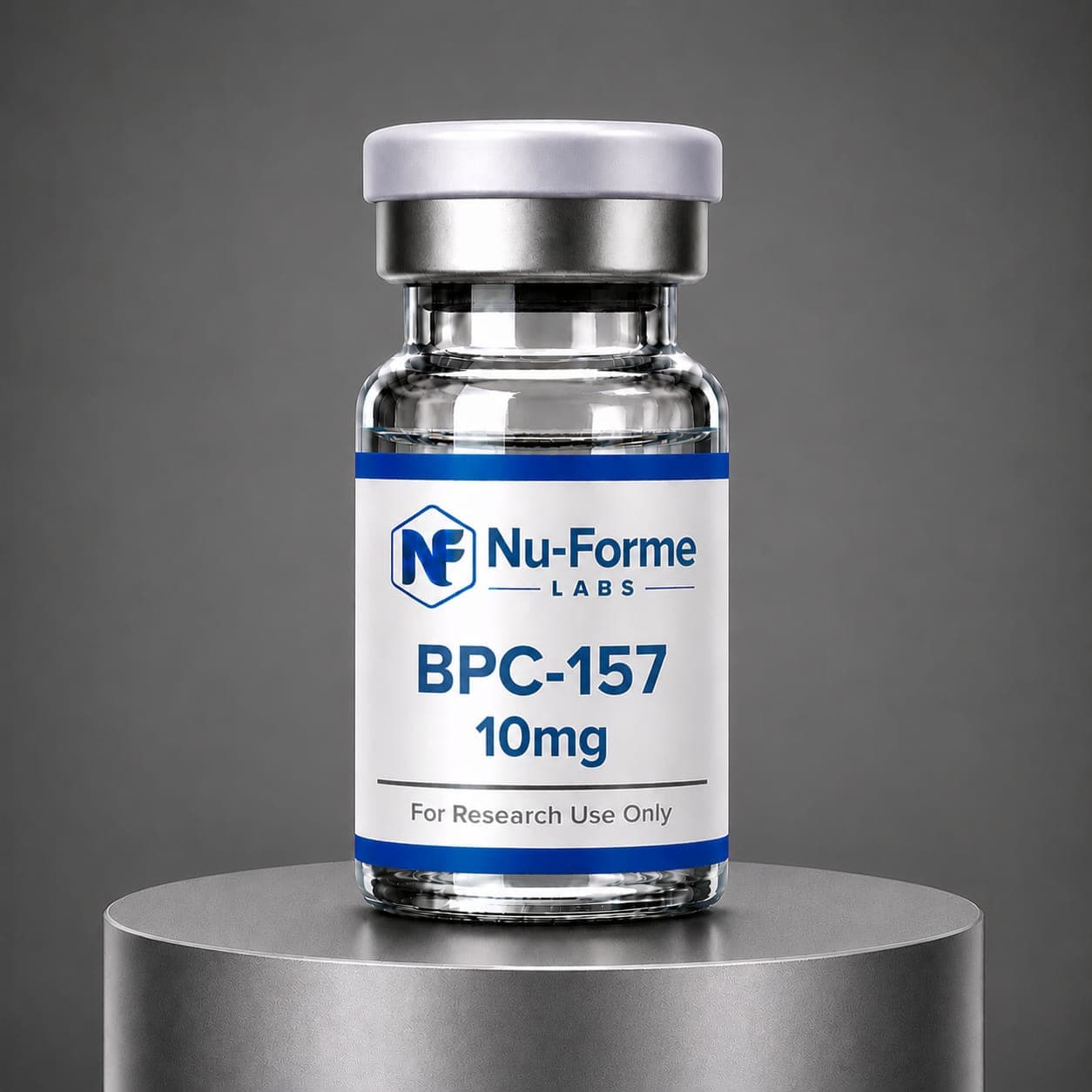
Bpc-157
Recovery

Bpc-157

BPC-157 (Body Protection Compound-157) is a synthetic peptide made up of 15 amino acids, derived from a protective protein found in human gastric (stomach) juice. Key points: What it is: A partial sequence based on a naturally occurring protein in gastric juice, synthesized in a lab Main interest: Studied primarily for tissue healing and repair — tendons, ligaments, muscle, and the gut lining Popular uses: Explored in research for injury recovery, gut healing (ulcers, IBD), joint/tendon repair, and reducing inflammation Forms: Available as injectable (subcutaneous, most common in research settings)

$70.00
Choose options
Cartalax
Recovery

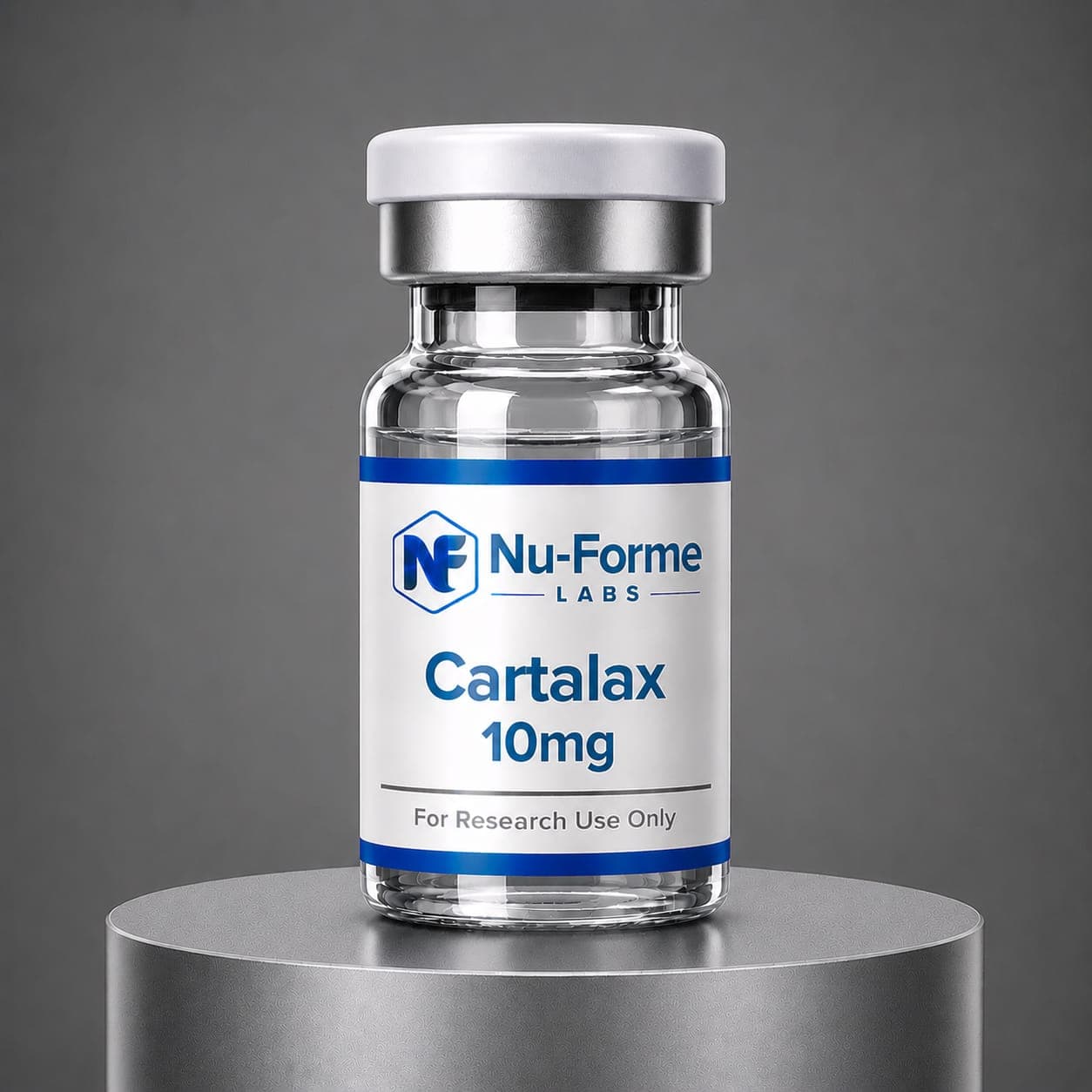
Cartalax

Cartalax is a synthetic peptide bioregulator developed by Russian scientist Vladimir Khavinson, part of a family of short peptides marketed for tissue-specific "regulation" and anti-aging purposes. Key points: What it is: A synthetic tetrapeptide (Ala-Glu-Asp-Gly / AEDG) designed to mimic naturally occurring regulatory peptides in cartilage tissue Main interest: Marketed specifically for cartilage and joint health — theorized to support chondrocyte (cartilage cell) function and slow cartilage degeneration Proposed mechanism: Based on Khavinson's "peptide bioregulator" theory — short peptides are claimed to help regulate gene expression and protein synthesis in specific tissue types (in this case, cartilage), though the mechanism isn't well validated by mainstream Western science Popular uses: Explored (mostly in Russian research) for osteoarthritis, joint degeneration, and general cartilage support/anti-aging Research status: Studies are almost entirely from Russian research groups (often linked to Khavinson's own institute)

$75.00
Choose options
Cjc-1295 no dac + Tesamorelin

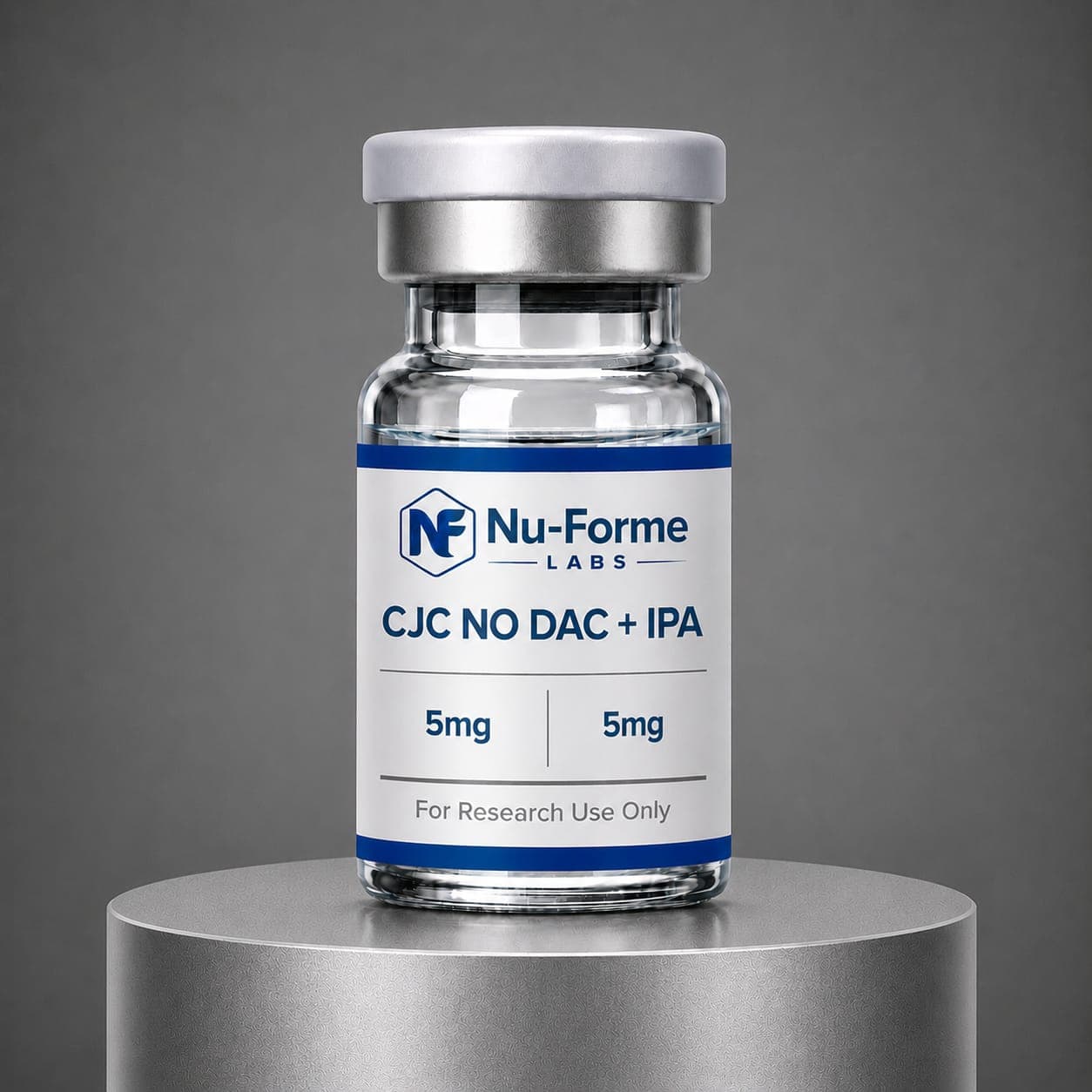
Cjc-1295 no dac + Tesamorelin

CJC-1295 without DAC and Tesamorelin are synthetic analogs of growth hormone–releasing hormone (GHRH). Both act on the pituitary gland to stimulate the body’s natural release of growth hormone, which may subsequently increase insulin-like growth factor 1 (IGF-1).

$90.00
Choose options
From the journal

Related reading

Editorial guidance only — current pricing and stock live on each product page.